Loading...

Family Owned & Operated Since 1990
Bekins Van Lines Agent
USDOT 1962166 | Interstate USDOT 70719 | CAL T 188960
Loading...
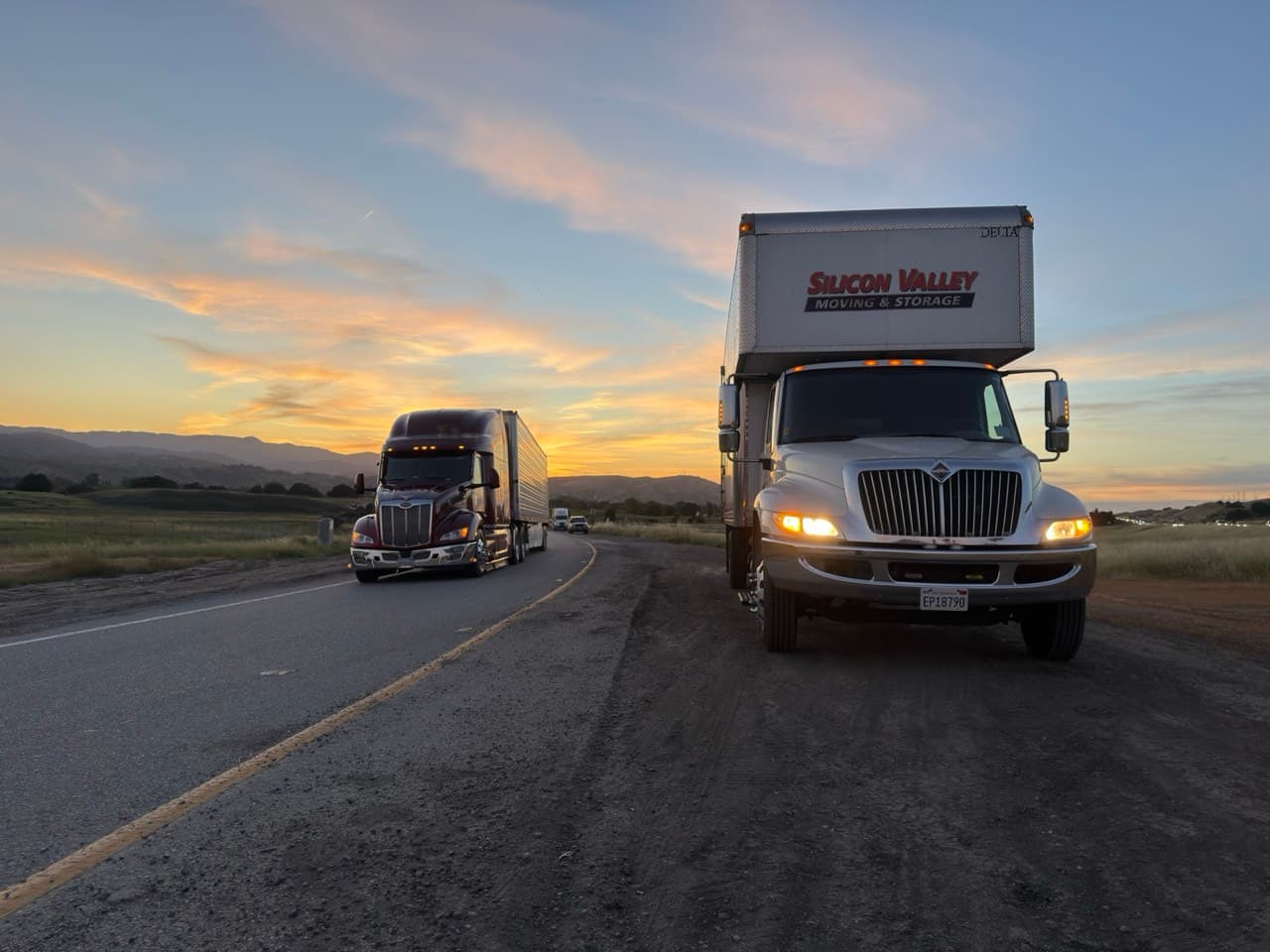
We survey, pack, and load your Bay Area home, and the shipment crosses state lines on the Bekins Van Lines network under USDOT 70719.
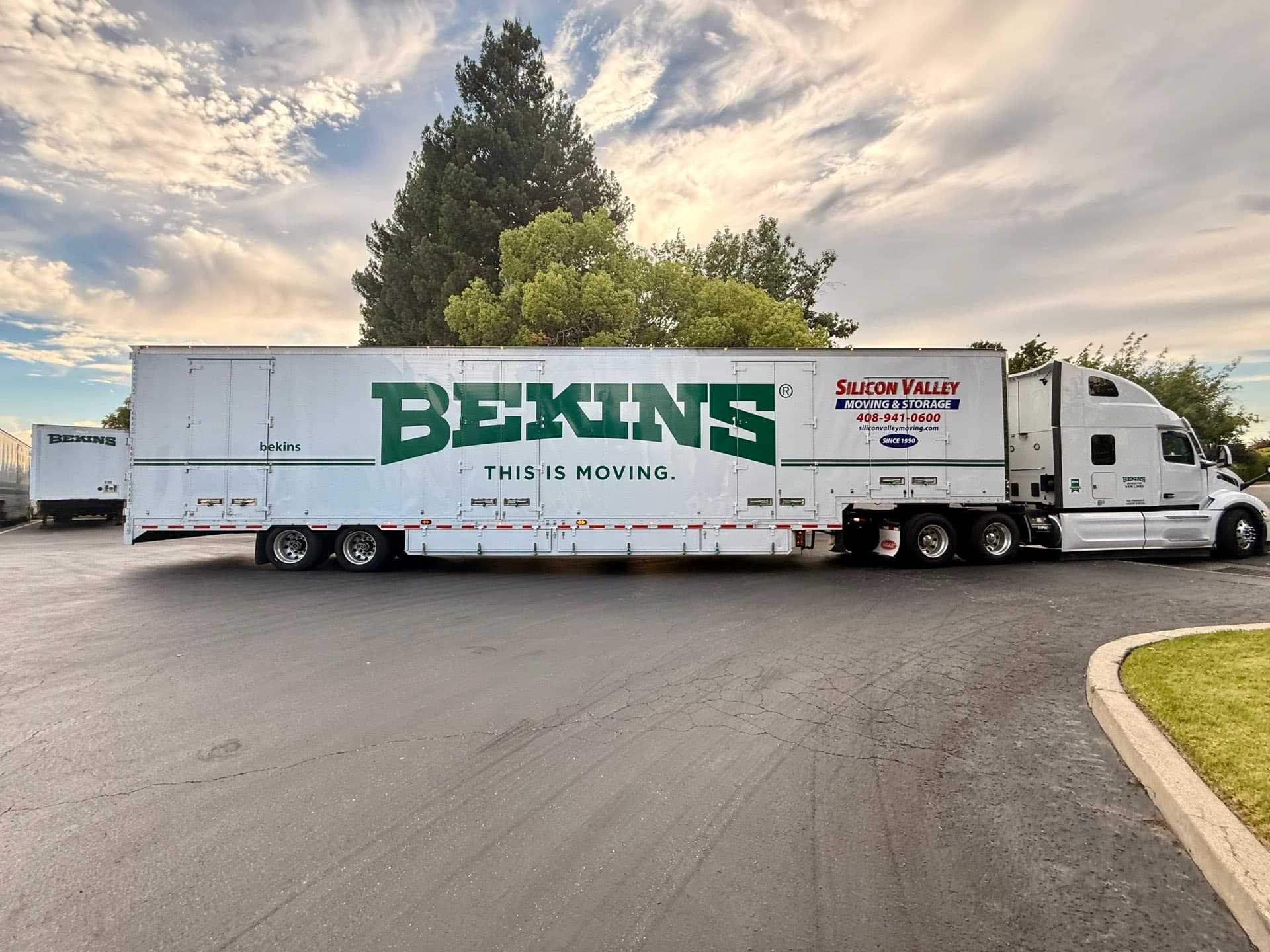
Silicon Valley Moving & Storage has been a Bekins Van Lines interstate agent since 1990, one of more than 350 Bekins agents. Bekins provides the national network. We handle the Bay Area end of your move.
That end is the survey, the estimate, the packing, and the loading, with our own crews working out of our warehouse in San Jose. Interstate moves run under USDOT 70719. Our own numbers are USDOT 1962166 and CAL T 188960.
We have moved Bay Area families to every state, and some of our cross-country customers have moved with us more than once.
Federal rules decide what each one has to say, and those rules bind every interstate mover you might hire, us included. Know them and you can hold any quote to them. In the order you will see them:
Regulator
FMCSA, U.S. DOT
The rules
49 CFR Parts 375 and 370
Moves run under
USDOT 70719
Before you book
The mover surveys what is moving and gives you a signed, written estimate that says whether it is binding or non-binding. A binding estimate fixes the total for the goods and services it lists. A non-binding one is the mover's best figure, and the final bill follows the actual weight. At delivery, the most you can be required to pay on it is 110 percent of the estimate, plus services you ask for after the bill of lading is issued and impracticable-operations charges of up to 15 percent of the other charges due. Anything beyond that is invoiced later.
Before loading day
This is your contract with the carrier. It lists the agreed pickup and delivery dates, or the period for each, and the valuation statement where you choose Full Value Protection or waive it in writing. Federal rules put it in front of you to sign and date at least 3 days before the scheduled loading, and give you 3 days after you sign to rescind it without penalty. Items or services added on moving day change the bill of lading without restarting that clock.
At loading
Every carton and every uncartoned item gets a number that matches a written inventory, and you can ask to watch it being written and check it as it goes. You and the mover both sign it, and your copy comes with the bill of lading before or at loading.
If you pay by weight
When charges depend on weight, the shipment goes over a certified scale, and the mover has to tell you where and when so you can watch every weighing. If it was weighed at origin, you can demand a reweigh before unloading starts, and the bill then follows the reweigh. Copies of the signed weight tickets come with the freight bill.
Delivery day
The carrier has to deliver on the agreed date or within the agreed period, and if it can't, tell you as soon as the delay is apparent and give you new dates. At the door you check each numbered item against the inventory and write down anything missing or damaged. The receipt you sign cannot release the mover or its agents from liability.
After delivery
A note on the delivery receipt is not a claim by itself. The claim is a separate written demand that identifies the shipment and names an amount, filed within the deadline on your bill of lading, which federal law does not allow to be shorter than 9 months. The carrier must acknowledge it within 30 days, then pay, decline, or make a firm settlement offer within 120 days.
Every interstate mover has to give you two FMCSA publications with the estimate: Your Rights and Responsibilities When You Move and Ready to Move? Both are short. Read them before you compare quotes.
These are the federal rules for interstate household moves. Your own estimate and bill of lading carry the dates, terms, and figures for your shipment.
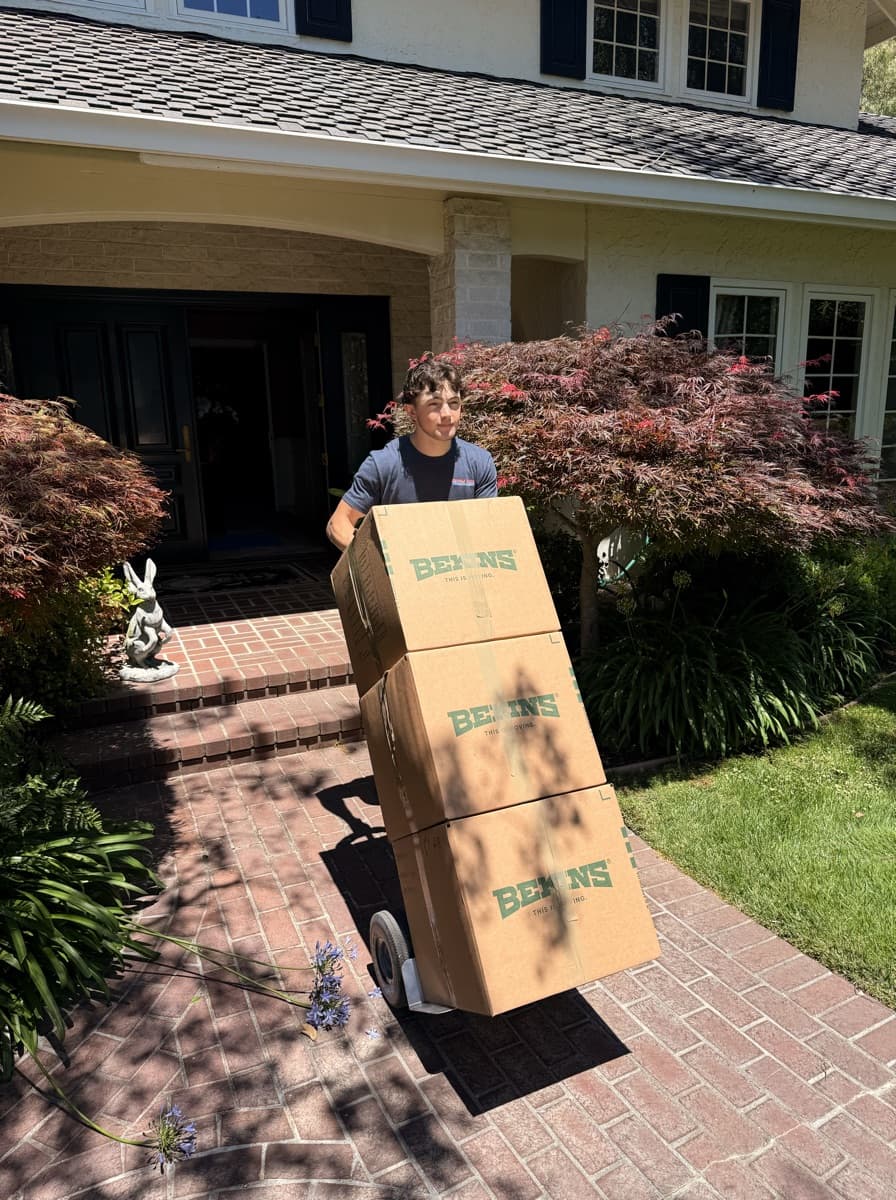
Each one changes the estimate, so settle them before the survey if you can.
A dedicated shipment has the trailer to itself. A consolidated shipment shares space with other households headed the same direction. The choice is yours, and the estimate prices the one you pick.
Storage-in-transit holds your shipment at our climate-controlled San Jose warehouse, which has security monitoring around the clock. The first 30 days are often included in the estimate.
A framed painting or a glass tabletop can't travel in a carton, so we build a wooden crate to fit it.
Vehicles don't ride on the moving truck. We arrange door-to-door auto transport through licensed carrier partners, with enclosed carriers available.
Storage-in-transit has an end point worth knowing. When it converts to permanent storage, the carrier's liability ends and the warehouse's rules and charges take over, and the carrier has to tell you in writing before that date. 49 CFR 375.609 (opens the regulation in a new tab) More on storage between homes.
Downsizing first? We can route what you are not taking to donation, so it never goes on the truck or on the scale. For fragile and oversized pieces, see specialty items.
How valuation works lays out the federal and California rules side by side, claim deadlines included.
In California, basic coverage at $0.60 per pound, per article, is what you get unless you choose more. An interstate move runs the other way. The carrier's baseline obligation is the replacement value of anything lost or damaged, up to the declared value of the shipment. 49 CFR 375.201 (opens the regulation in a new tab)
You can waive it in writing for released value: $0.60 per pound, per article, the figure in the federal rules. The STB order behind that rate lets carriers adjust it each year, so your bill of lading states the current one. STB released rates (opens the regulation in a new tab)
Declare anything worth more than $100 per pound in writing, or recovery on it may be capped at $100 per pound. Valuation is also separate from insurance: it is the carrier's liability, and federal rules keep the two apart. 49 CFR 375.203 (opens the regulation in a new tab) 49 CFR 375.303 (opens the regulation in a new tab)
A Bekins agent answers to the van line for the people it sends into your home.
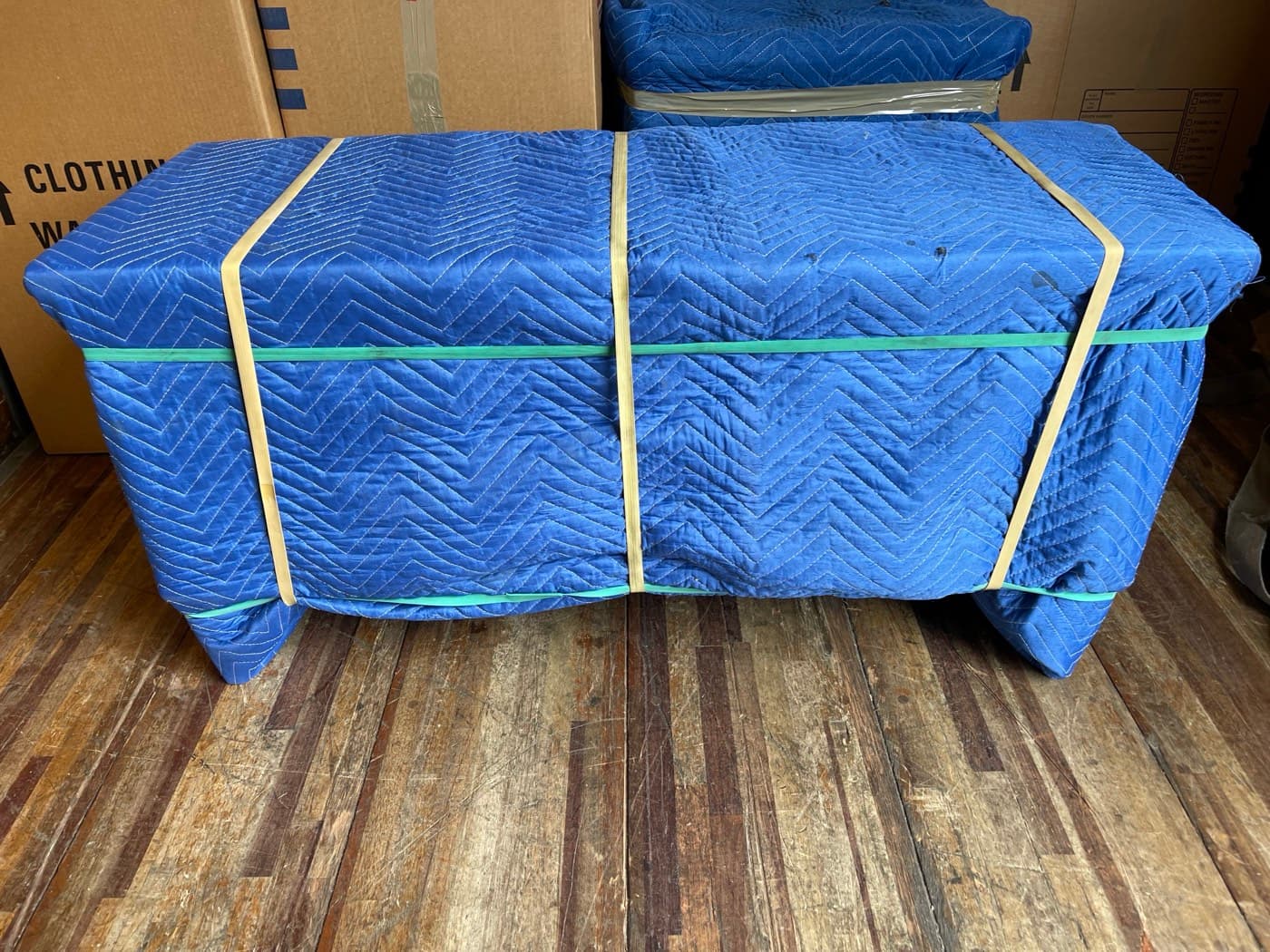
“Excellent service, excellent care, excellent people. Tom and others in the office made the booking process very easy. They called and confirmed things with us in the coming days before the move. They made sure we had everything accounted for. Joe and his crew were great and had us successfully relocated from Danville, CA to Texas. This included the team personally wrapping items like our mattress and TV, as well as Joe taking some time to adjust some of our furniture and make it more sturdy! My partner and I were extremely impressed, but what else could you expect from one of the best moving companies in California! Thanks!”
Ron M.
January 2021
“Joe moved us from California to Idaho. What a great company to work with! There are so many shady moving companies out there but NOT this one. They are honest and transparent and good hard working people. This is one company you can trust! If you are planning a move…call them!”
Christine C.
July 2025
“So happy we used Silicon Valley Movers for our cross country move. They were so professional the whole time and communicated clearly every step of the way. High recommend!”
Mindy O.
April 2022
Four guides for Bay Area households planning to leave.
It depends on what is moving and how far. Weight or volume, distance, packing, crating, storage-in-transit, and the choice between a dedicated and a consolidated shipment all change the number. We price from a survey of your home and put the estimate in writing, and federal rules require that estimate to say whether it is binding or non-binding.
Distance, season, and whether the shipment is dedicated or consolidated set the timing. Your bill of lading states an agreed delivery date or delivery period, and the carrier has to deliver on that date or inside that period. If a delay comes up, federal rules require the carrier to tell you as soon as it is apparent and to give you the new dates.
On an interstate move, Full Value Protection is the carrier's default obligation: liability for the replacement value of anything lost or damaged, up to the declared value of the shipment. You can waive it in writing for released value at $0.60 per pound, per article. Declare anything worth more than $100 per pound in writing, or recovery on it may be capped at $100 per pound. Valuation is the carrier's liability, not insurance, and our Valuation Protection page walks through both levels.
Storage-in-transit. We hold the shipment at our climate-controlled San Jose warehouse, with security monitoring around the clock, and the first 30 days are often included in the estimate. When storage-in-transit converts to permanent storage, the carrier's liability ends and the warehouse's rules and charges apply, and federal rules require the carrier to notify you in writing before that date.
Not on the moving truck. We arrange door-to-door auto transport through licensed carrier partners, and enclosed carriers are available when you want a car covered for the trip.
A broker arranges your move and sells it to a motor carrier that does the work. Under federal rules, a broker's estimate only counts if the carrier has adopted it in writing as its own. A van line agent is a local moving company inside a national network. We survey, pack, and load in the Bay Area, and the shipment travels on the Bekins Van Lines network under USDOT 70719.
Look them up. Our USDOT number is 1962166 and our CAL T number is 188960, and interstate moves run under USDOT 70719. The USDOT numbers are on FMCSA's SAFER system and the CAL T number is with the Bureau of Household Goods and Services. Check every mover you are considering the same way.
Your Bay Area address, the destination, and a rough date are enough to start. We schedule the survey and send a written estimate, with no obligation attached.
Licensed & Verified
USDOT 1962166 · Interstate USDOT 70719 · CAL T 188960 · Bekins Interstate Agent · 36+ years serving the Bay Area · CMSA · BBB
Often paired with packing services, custom crating, storage between homes, and moves within California.