Loading...
Family Owned & Operated Since 1990
Bekins Van Lines Agent
USDOT 1962166 | Interstate USDOT 70719 | CAL T 188960
Loading...
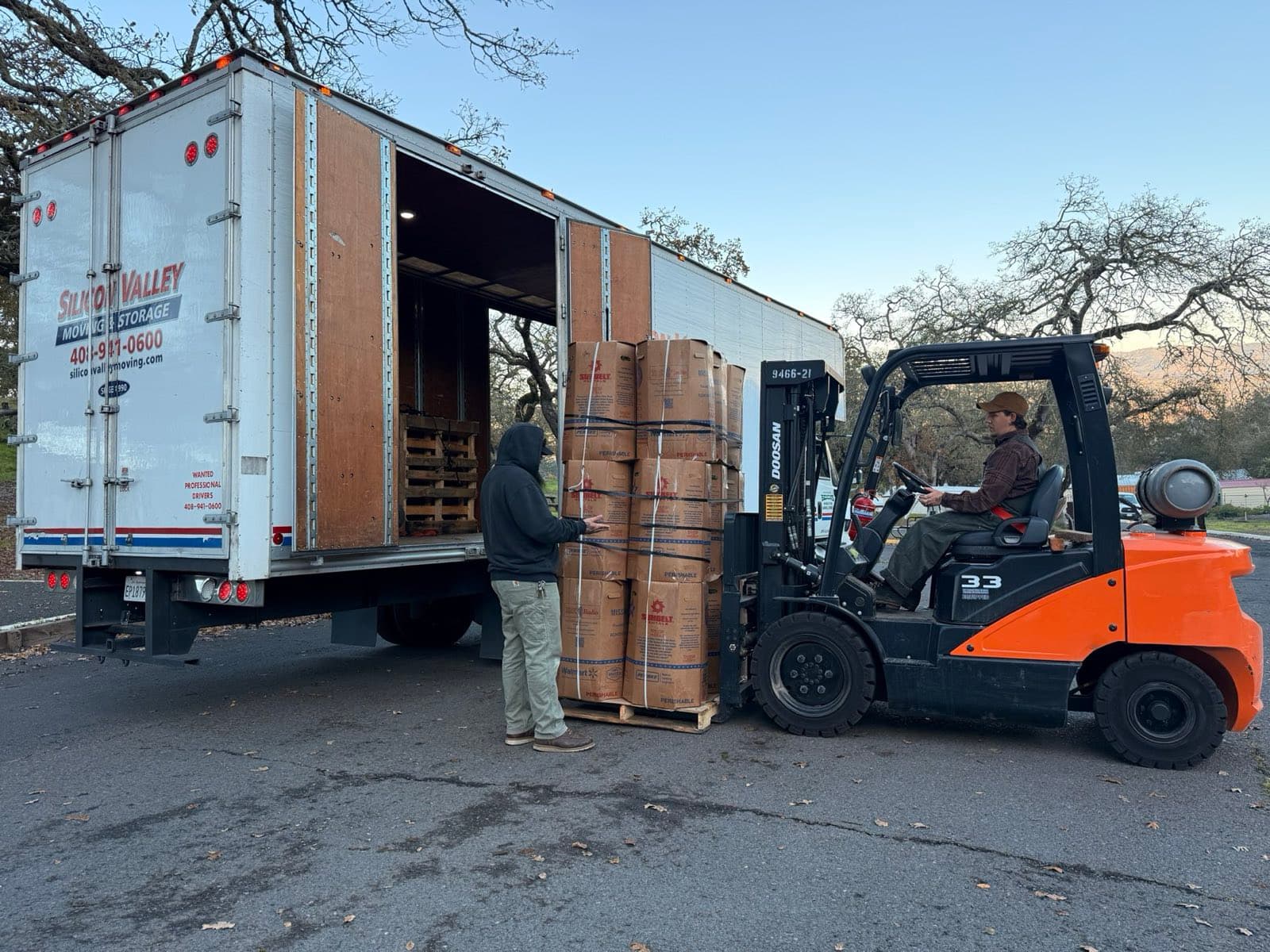
Furniture out, IT torn down, signage off, recyclables sorted, donations routed, broom-clean handoff. End-of-lease, downsizing, M&A, restaurant and retail closures, post-construction cleanouts. 36+ years in San Jose, scoped to your lease, not a generic checklist.
When a company leaves a commercial space, the lease usually doesn't just say "take your stuff." It says some version of: return the space in the condition you received it, less normal wear and tear. That means furniture out, IT and AV gear pulled, signage off the walls, and the floor swept. Some leases also require abandoned cabling pulled or tenant improvements restored, and that part is contractor work.
That's decommissioning, and it's the difference between getting your security deposit back and explaining a holdover charge to your CFO. Most operating teams don't have time to run it themselves.
We know Bay Area buildings: the docks, the freight elevators, the COI requirements. We've run commercial moves and storage here since 1990, and the crews that pack an office for a relocation run the decommission when you're leaving instead.
We scope to your lease language and your building's move-out rules, not a one-size template.
Workstations, private office furniture, conference and break-room fixtures, lobby and reception pieces, signage. Disassembled, padded, loaded, and routed to donation, recycling, disposal, or our warehouse if you're keeping it.
Server racks, monitors, phones, and AV gear. We disconnect and pad the equipment, then send it to your new site, into storage, or out for recycling.
Items still in good shape go to local nonprofits. We separate metals, electronics, cardboard, and clean wood for recycling. Only what can't go anywhere else goes to the landfill, and we work to keep that pile small.
Empty space, swept floors, debris removed, ready for the landlord walk-through.
Vacating an office, lab, or retail space. Leases usually require the furniture out and the floor broom-clean. We read the lease language and scope to it, not a generic checklist.
Hybrid work means most companies need less square footage. Excess workstations, conference furniture, and break-room equipment have to go somewhere: donation, recycling, or our warehouse if you might want them back.
Company is consolidating or shutting a location, and the operating team is busy with the actual deal. We run the cleanout end to end so your team can stay on the deal.
FF&E, fixtures, kitchen equipment, and signage, pulled carefully. What you're keeping moves to your next location or into our warehouse. The rest goes to donation, recycling, or disposal.
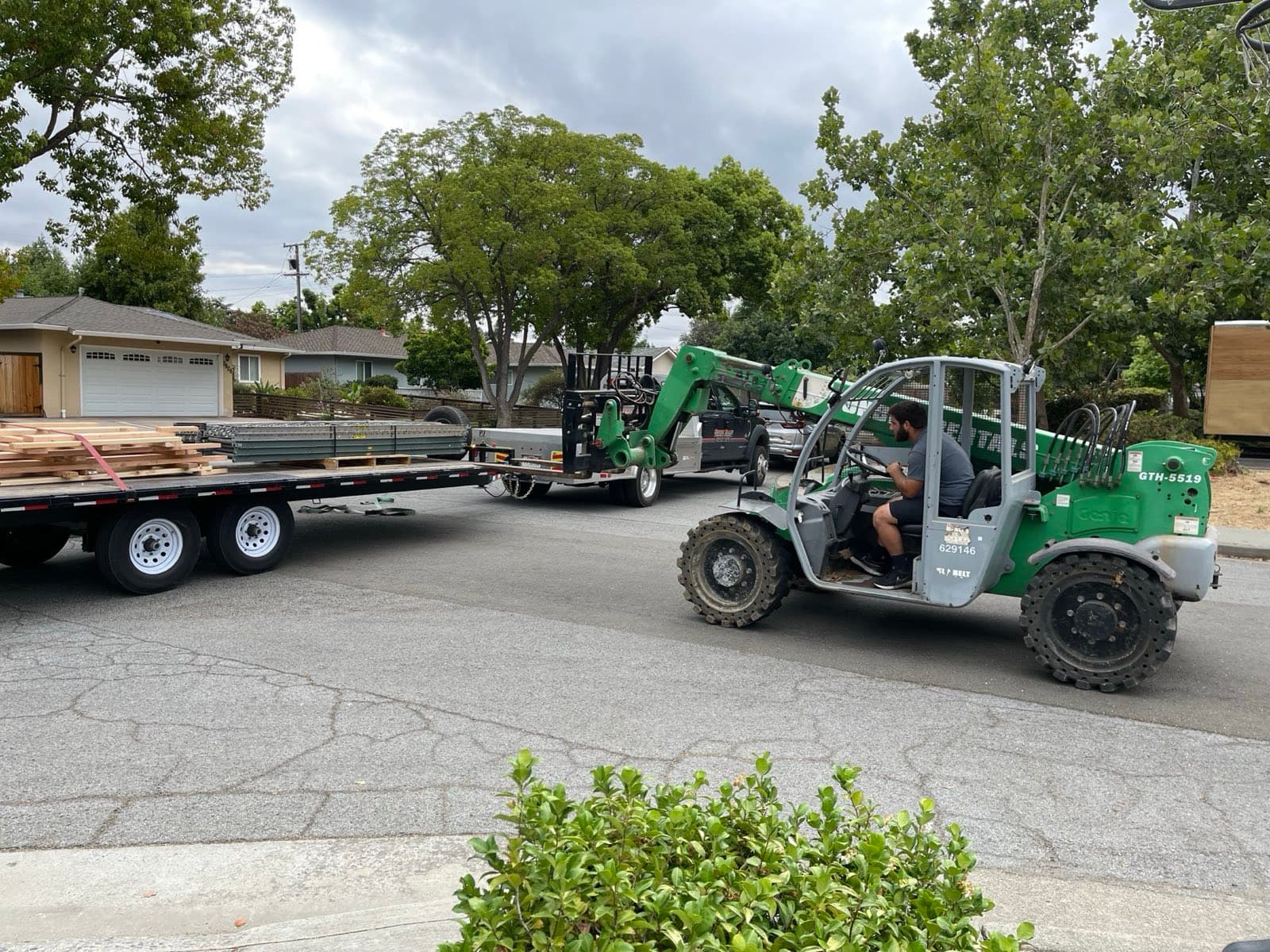
Construction debris, leftover materials, demo waste, packaging, scaffolding. Telehandlers, flatbeds, and box trucks for the heavy stuff; crews for the manual sort and load.
Schools, campuses, municipal yards, light-industrial sites with years of accumulated equipment, materials, and odds and ends that need to be sorted, hauled, and disposed of properly.
Five steps. Each one priced and scoped explicitly so you know what you're paying for and what we're responsible for.
We walk the space with you, look at the lease language if relevant, photograph what's there, and identify anything that needs special handling: IT gear, hazmat, refrigerants, anything sensitive.
Crew size, days, equipment (forklift, telehandler, flatbeds, box trucks), and dump, recycle, and donation routing, all priced explicitly.
Crews work zone by zone: disassemble, pad, stage, load. We tag items for donation, recycling, disposal, or storage as they come out, and stage IT equipment separately for your new site or for recycling.
Donations go to local nonprofits. Metals, electronics, cardboard, and clean wood go to recyclers. Disposal comes last, for what can't go anywhere else.
Final sweep, floor protection pulled, and the space ready for the landlord walk-through.
Years of accumulated material in a South Bay district's facilities yard, sorted, loaded, and hauled out in a single day.
Project details from a Silicon Valley Moving & Storage cleanout job for a Bay Area school district.
Different cleanout models fit different jobs. Here's where we fit and where we don't.
1-800-Got-Junk / national haulers
How SVM compares
They're built for residential and small-load junk. We're built for commercial scope: FF&E, IT, and multi-day projects. Our trucks and crews are sized for it.
National 3PL / facilities firm
How SVM compares
National firms bring scale and uniform process across many cities. We bring 36+ years of Bay Area building knowledge: your dock, your freight elevator, your COI requirements, your municipal disposal rules. Better fit for single-site or regional projects.
DIY with general contractor
How SVM compares
GCs are great at construction. Cleanout work (sorting, donation routing, recycling) usually isn't their core. We handle the cleanout side so the GC can focus on restoration work.
Self-service dumpster + your team
How SVM compares
A roll-off and a few interns works for small loads. A full office means disassembly, heavy lifting, and sorting, and our crews and trucks are set up for that work.
| Alternative | How SVM compares |
|---|---|
| 1-800-Got-Junk / national haulers | They're built for residential and small-load junk. We're built for commercial scope: FF&E, IT, and multi-day projects. Our trucks and crews are sized for it. |
| National 3PL / facilities firm | National firms bring scale and uniform process across many cities. We bring 36+ years of Bay Area building knowledge: your dock, your freight elevator, your COI requirements, your municipal disposal rules. Better fit for single-site or regional projects. |
| DIY with general contractor | GCs are great at construction. Cleanout work (sorting, donation routing, recycling) usually isn't their core. We handle the cleanout side so the GC can focus on restoration work. |
| Self-service dumpster + your team | A roll-off and a few interns works for small loads. A full office means disassembly, heavy lifting, and sorting, and our crews and trucks are set up for that work. |
National multi-state portfolio cleanouts typically go to enterprise facilities firms with bench-level coverage in every market. Certified records destruction with chain-of-custody requirements goes to NAID-AAA shred vendors. Heavy industrial hazmat goes to licensed waste handlers. We'll tell you up front when one of those is the better fit.
Decommissioning costs depend on square footage, FF&E volume, IT scope, what your lease requires, and how much can go to donation and recycling instead of disposal. After a walkthrough we send a written quote with crew size, days, equipment, and routing all itemized so you can compare it line-by-line against other proposals.
It's the umbrella term for returning a commercial space to the condition your lease requires when you leave. Our scope: FF&E removal, IT and AV teardown, signage removal, sorting for donation, recycling, and disposal, and a broom-clean handoff. If your lease also requires cabling removal or restoring tenant improvements, that work goes to a contractor. We read the lease before quoting.
We don't hold NAID AAA certification for records destruction. We recycle general office paper ourselves. Legally required destruction with a certified chain of custody needs a NAID-certified shred vendor, and we'll flag those records at the walkthrough so you can book one.
Refrigerant evacuation from cooling equipment, ballasted lighting, batteries, and chemical waste carry specific federal and state disposal requirements. We don't handle those streams. We point them out at the walkthrough so you can bring in a licensed waste handler for them.
Project-based, not per pound or per item. The variables are crew size, number of days, equipment required (forklift, telehandler, flatbed, box truck), and the disposal/donation/recycle routing. After a walkthrough we provide a written quote with all of that itemized so you can compare apples to apples against other proposals.
It depends on the size of the job and our crew and equipment calendar. Give us your exit date at the walkthrough and we'll schedule the work backward from it.
Yes, and we prefer to. Office furniture, kitchen equipment, supplies, and anything else in working condition can go to local nonprofits and schools instead of the dumpster. We don't promise zero waste, and the diversion rate depends on what's there and how usable it is.
Yes. Our service area covers the full Bay Area (San Francisco, Peninsula, East Bay, South Bay, North Bay) and we'll travel further for the right project.
Walk us through the space, the lease, and your exit date. We'll send a written project quote with crew size, days, equipment, and routing itemized.
Licensed & Verified
USDOT 1962166 · Interstate USDOT 70719 · CAL T 188960 · Bekins Interstate Agent · 36+ years serving the Bay Area · CMSA · BBB
Often paired with office moving, business storage, and junk hauling.